








THE NOTICE WHEN USING TEMPORARY FENCE
1. Ensure Stable Installation
- Tight Connection: When setting up the temporary fence, ensure that each module is tightly connected, leaving no gaps, to prevent movement or tilting due to wind or external forces.
- Reinforcement: In areas with high winds or special conditions (such as highways), reinforce the stability of the fence by adding weight at the bottom of the barriers or using specialized anchoring devices to ensure they stay secure.
2. Choose the Right Location
- Level Ground: Ensure the ground is level where the fence is to be set up to prevent it from leaning or being unable to stay in place due to uneven or unstable surfaces.
- Avoid Water and Mud: Pay special attention to the stability of the fence when using it in areas with standing water, mud, or uneven terrain, to prevent the fence from slipping or being damaged.
3. Regularly Check the Condition of the Fence
- Inspect the Structure: Regularly check the overall structure of the fence for any damage, corrosion, or loosening. Any damaged parts should be repaired or replaced promptly.
- Check Markings and Reflective Materials: Ensure that reflective markings, warning signs, and other indicators are clear and visible, particularly during nighttime or low visibility conditions, to maintain their warning function.
4. Ensure Traffic Safety
- Clear Signage: Set up clear traffic signs and warning lights around the fence, especially in low visibility conditions such as at night or during fog, to prevent accidents.
- Use Reflective Materials: Equip the fence with reflective markers, lights, or other reflective devices to enhance its visibility, ensuring that drivers can see it from a distance.
5. Regular Cleaning and Maintenance
- Clean the Fence: Periodically clean the fence to remove dust, dirt, rust, and other contaminants that may affect its appearance and functionality. After rain or snow, clear accumulated water or snow to prevent slipping or blockages.
- Inspect Wear and Tear: Regularly check for wear and tear on the fence. If any parts are damaged or worn, repair or replace them promptly to maintain the fence’s effectiveness.
6. Ensure the Safety of Personnel
- Wear Protective Gear: When handling, installing, or dismantling the fence, ensure that personnel wear appropriate protective equipment (such as gloves, helmets, etc.) to safeguard their own safety.
- Ensure Public Safety: During installation or traffic control, ensure the safety of workers and passersby. If necessary, set up warning signs or deploy personnel to direct traffic and avoid accidents.
7. Comply with Relevant Laws and Standards
- Follow Regulations: When using temporary fences, comply with local traffic management regulations and construction safety standards. Ensure that the fences meet all safety standards and legal requirements.
- Meet Installation Requirements: Particularly when the fence is used on public roads or in high-traffic areas, ensure that the installation complies with local laws and regulations.
8. Adapt to Environmental Changes
- Weather Adaptations: During extreme weather conditions (such as storms or heavy rain), reinforce or temporarily remove the fence as needed to ensure its stability and safety.
- Flexible Adjustments: In case of emergencies, such as traffic accidents or changes in construction plans, adjust the layout of the fence promptly to ensure smooth traffic flow or safety in the construction area.
9. Prevent Misuse
- Not for Long-Term Use: Temporary fences should not be used as long-term fixed installations, especially when ongoing traffic control or construction is needed. In such cases, more permanent barriers should be considered.
- Ensure Proper Authorization: When occupying public roads or areas for extended periods, make sure that the appropriate authorities have granted approval. Also, provide proper public notice and guidance to avoid unnecessary congestion or confusion.
10. Regularly Evaluate Usage Needs
- Assess Usage Requirements: For long-term use, periodically evaluate whether the temporary fence still meets the intended purpose. If it is no longer needed, dismantle it promptly to free up resources.
- Timely Removal: When the fence is no longer necessary, promptly remove it to avoid occupying space or resources unnecessarily.
By following these guidelines, you can ensure the stability, safety, and efficiency of the temporary fence, preventing potential safety hazards and maximizing its effectiveness.
Keywords:
You Can Also Learn More About Industry Trends
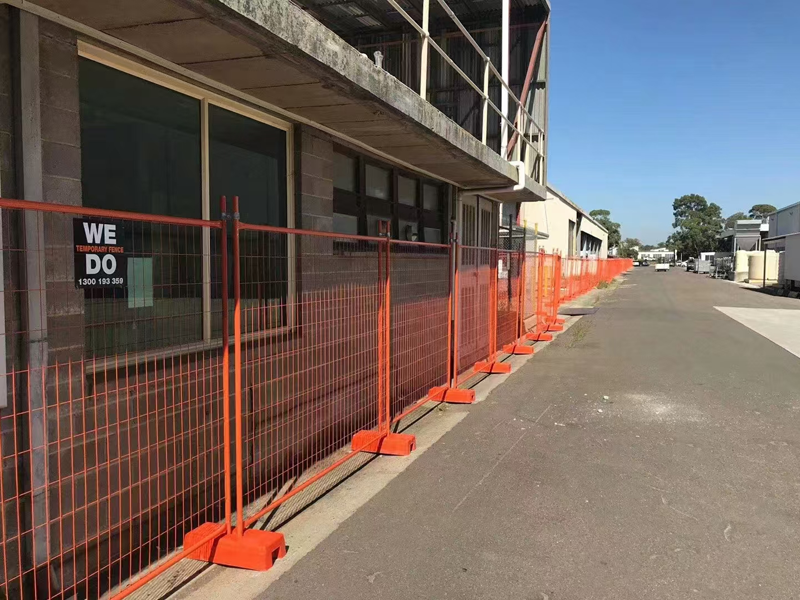 TEMPORARY FENCE ADVANTAGE
Temporary fences (also known as movable barriers or mobile isolation barriers) have numerous advantages, making them an ideal solution for a variety of applications such as road traffic management, construction site isolation, and event protection. Here are the key benefits:
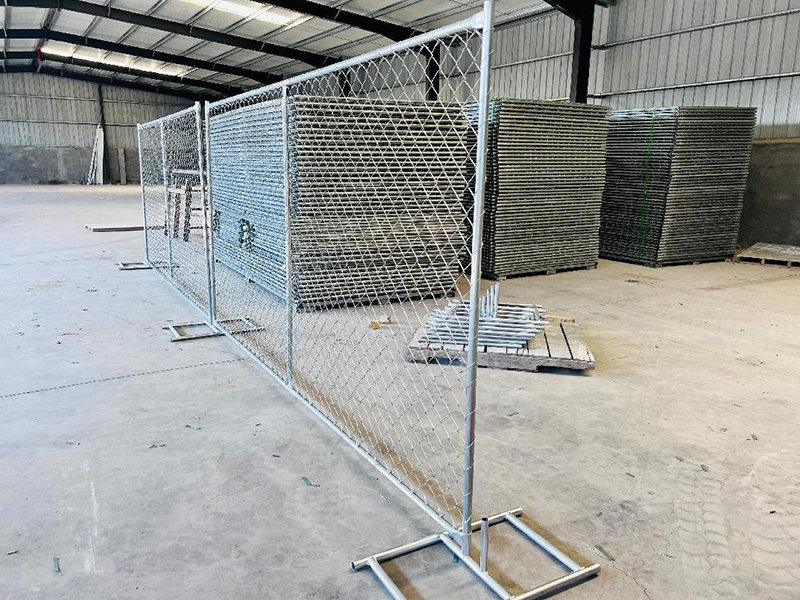 HOW TO PRODUCE TEMPORARY FENCE
Producing a temporary fence involves several steps, from material selection to assembly. Here’s a basic outline of the production process:
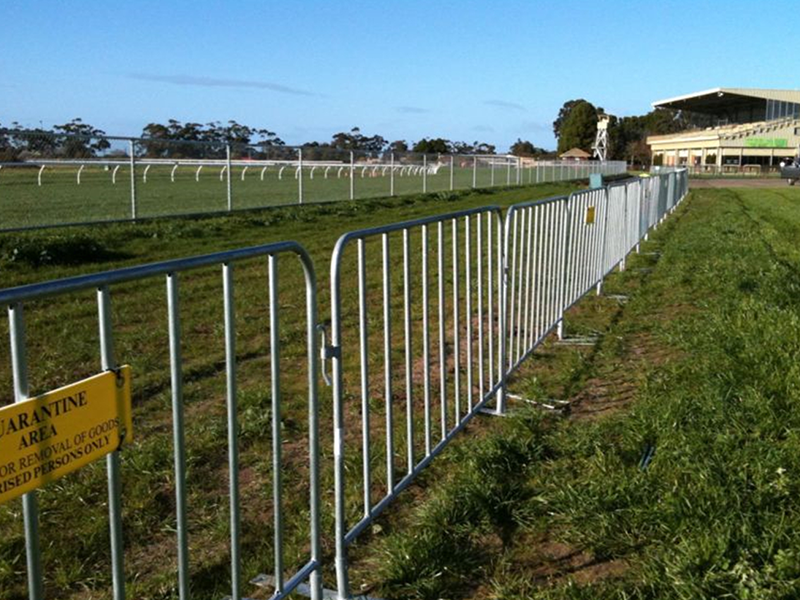 Applications Where a Temporary Fence May Be Necessary
Temporary fences are versatile and used in a variety of applications where security, safety, and privacy need to be managed on a short-term basis. Here are some common scenarios where a temporary fence may be necessary: