








HOW TO PRODUCE TEMPORARY FENCE
1. Material Selection
- Frame: Typically made from steel (galvanized or powder-coated) for strength and rust resistance.
- Mesh: Steel wire mesh or PVC-coated wire mesh is commonly used. The mesh should be durable, with appropriate openings to ensure security while allowing visibility.
- Feet/ Bases: Can be made from concrete, plastic, or metal. The base should be heavy enough to keep the fence stable but easy to handle.
2. Designing the Fence
- Dimensions: The standard size for a temporary fence panel is about 3.5 meters long and 2 meters high, but this can vary based on the application.
- Frame Construction: The frame should be designed with horizontal and vertical supports for strength. The frame typically consists of square or round steel tubing.
- Mesh Welding/Attachment: The mesh is either welded directly to the frame or attached using ties, clamps, or bolts, depending on the design.
3. Manufacturing the Fence Panels
- Cutting and Welding the Frame: Steel tubes are cut to the required lengths and welded to form the fence’s frame. For added durability, frames can be galvanized before assembly to prevent rust.
- Attaching the Mesh: The mesh is either welded to the frame or secured using clips or ties. Welded mesh provides a stronger and more permanent bond, whereas clips and ties offer flexibility.
- Additional Features: Some panels may include additional features such as anti-climb spikes or reflective strips for added security or visibility.
4. Fabricating the Base
- Concrete Base: Concrete bases are molded and fitted with brackets or feet to attach to the panels. This ensures stability, especially in windy conditions.
- Plastic or Metal Bases: Plastic or metal feet can be used as alternatives to concrete. These are often hollow and can be filled with sand or water to add weight.
5. Galvanizing/Coating for Protection
- Galvanizing: To prevent rust and corrosion, the steel frame and mesh can be hot-dip galvanized or powder-coated. This extends the fence’s life and ensures it can withstand outdoor conditions.
- Powder Coating: Powder coating can be applied to the steel frame to give it a colored finish and additional rust protection.
6. Assembly and Quality Control
- Panel Assembly: Once the frame and mesh are ready, they are assembled into complete fence panels. The panels are then inspected for structural integrity and quality.
- Inspection: Each panel is tested for durability, proper mesh tension, and correct attachment of mesh to frame. Any damaged parts are replaced.
7. Packaging and Transport
- Disassembly: Some manufacturers may disassemble the feet from the panels for easier transportation and storage.
- Packaging: Panels are stacked and wrapped in protective materials to avoid damage during shipping.
- Transport: The completed panels are transported to the client or storage facilities.
8. Installation Accessories
- Gates: Temporary fence systems often include gates, which are produced similarly but with lockable hinges.
- Connecting Clips or Pins: These allow the panels to be easily connected or detached, allowing for quick setup and removal.
By following these steps, you can produce a durable, stable, and secure temporary fence suitable for a range of applications, from construction sites to public events.
Keywords:
You Can Also Learn More About Industry Trends
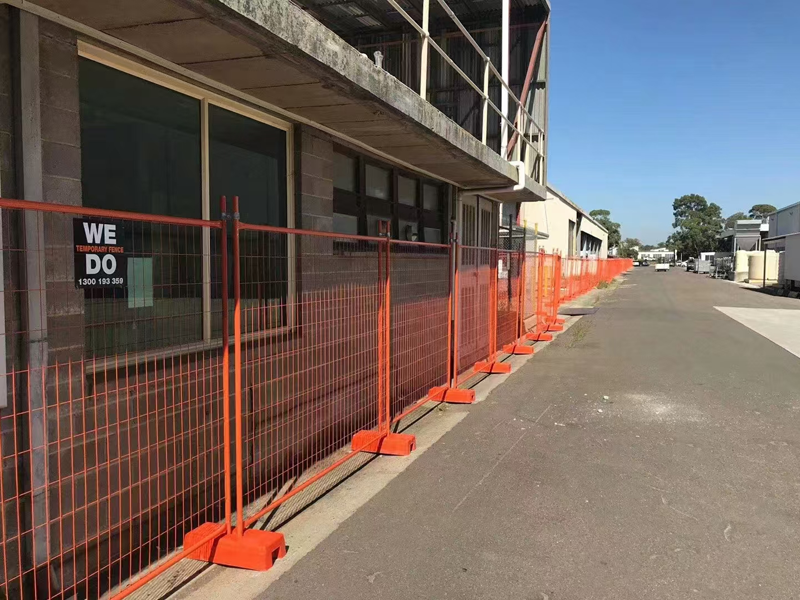 TEMPORARY FENCE ADVANTAGE
Temporary fences (also known as movable barriers or mobile isolation barriers) have numerous advantages, making them an ideal solution for a variety of applications such as road traffic management, construction site isolation, and event protection. Here are the key benefits:
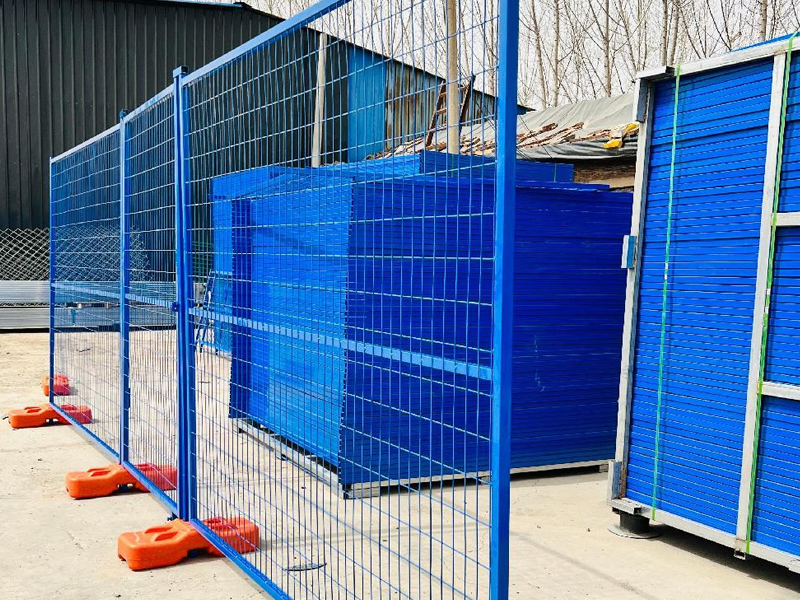 THE NOTICE WHEN USING TEMPORARY FENCE
When using temporary fences (or movable barriers), certain precautions must be followed to ensure their effectiveness, safety, and long-term use. Here are key guidelines to keep in mind:
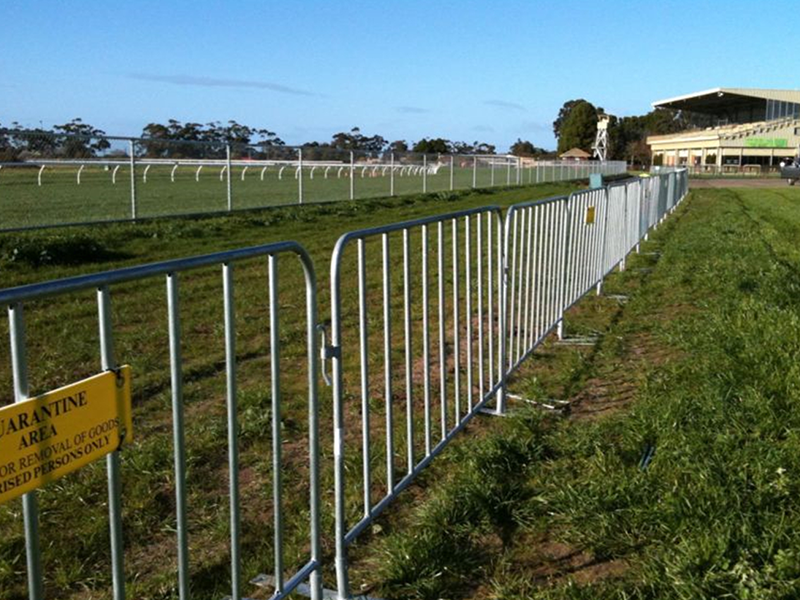 Applications Where a Temporary Fence May Be Necessary
Temporary fences are versatile and used in a variety of applications where security, safety, and privacy need to be managed on a short-term basis. Here are some common scenarios where a temporary fence may be necessary: