








Applications Where a Temporary Fence May Be Necessary
1. Construction Sites
- Site Security: Temporary fences are often used around construction zones to secure the area and prevent unauthorized access, protecting workers and the public from potential hazards.
- Perimeter Safety: They help demarcate the construction area, keeping pedestrians and vehicles away from dangerous zones.
- Material Protection: Temporary fences can prevent theft of construction materials or equipment stored on-site.
2. Event Management
- Crowd Control: Temporary fences are used at public events, such as concerts, festivals, sporting events, and exhibitions, to control crowds and direct pedestrian traffic.
- Access Control: They are used to create designated entry and exit points, manage queues, and prevent unauthorized entry to restricted areas (e.g., backstage, VIP sections).
- Temporary Barriers: For outdoor events or festivals, they create safe boundaries around stages, booths, and other installations.
3. Roadwork and Traffic Control
- Traffic Safety: Temporary fences are placed around road construction sites or repair zones to protect workers and divert traffic safely away from construction areas.
- Detours and Lane Closures: They guide vehicles through detours and lane changes, keeping traffic flowing while maintaining safety.
4. Emergency and Disaster Response
- Containment and Barricades: During natural disasters (e.g., floods, earthquakes, wildfires), temporary fences help to contain damaged areas, preventing people from entering dangerous zones or evacuated areas.
- Access Restriction: In the aftermath of an emergency, temporary fencing can be used to restrict access to disaster sites or hazardous materials.
5. Public Safety
- Pedestrian Barriers: In busy public areas (like parks, shopping centers, or during public gatherings), temporary fences can block off certain sections to ensure safety and manage crowd movement.
- Hazardous Area Protection: They are used to mark dangerous or hazardous areas (e.g., holes, unstable ground, open pits, etc.) to prevent accidental injury.
6. Sports and Recreation
- Sports Events: Temporary fencing is used to set boundaries for sports fields or arenas, such as soccer, baseball, or tennis courts. It helps to ensure players and spectators are safe.
- Playgrounds or Pool Areas: Temporary fences are used to enclose recreational areas such as playgrounds or swimming pools to prevent unauthorized access or protect children from potential hazards.
7. Property and Land Protection
- Temporary Property Boundaries: Landowners may use temporary fences to demarcate property lines for temporary uses, such as when renting or leasing land for a specific purpose.
- Fencing During Construction or Renovation: Temporary fences can be used around residential or commercial properties during renovations to secure the premises and keep people out of construction zones.
8. Agriculture and Farming
- Livestock Containment: Temporary fencing is often used in farming to contain livestock or to create grazing areas. It's especially useful when farmers need to move livestock between different fields or grazing areas.
- Crop Protection: Temporary fences can help protect crops from pests or animals (such as deer or rabbits) by creating barriers around farmland.
9. Film and TV Productions
- Set Enclosures: Temporary fences are used on film and TV sets to create a controlled environment, block off areas from public view, and protect production equipment and props.
- Noise and Light Barriers: Fences can help reduce noise pollution or block unwanted light from entering a filming area.
10. Retail and Marketing
- Promotional or Seasonal Sales: Temporary fences can be used to create spaces for pop-up shops, seasonal markets, or promotional events, ensuring organized entry and traffic flow.
- Branding or Display: Some companies use temporary fences to display advertisements or sponsor messages at events or trade shows.
11. Agricultural Fairs and Exhibitions
- Enclosures for Animals or Displays: At agricultural fairs or exhibitions, temporary fences are used to enclose livestock, exhibition booths, or demonstrations.
- Crowd Control for Exhibits: They manage foot traffic around different exhibits or displays, ensuring safety and organization.
12. Environmental Protection
- Wildlife Protection: Temporary fencing can be set up around sensitive areas to prevent human encroachment, especially around wildlife reserves, nature conservation sites, or endangered species habitats.
- Soil Erosion Control: In areas prone to soil erosion, temporary fences help control runoff and reduce the movement of soil.
13. Security for Vacant Properties
- Prevent Squatting or Trespassing: Temporary fences are commonly used around vacant or abandoned properties to prevent unauthorized entry and squatting.
- Protection Against Vandalism: They also help protect properties from vandalism, theft, or damage while waiting for a permanent solution.
14. Industrial Applications
- Workplace Safety: Temporary fences are used in industrial settings, such as warehouses or factories, to keep people away from hazardous machinery or work zones.
- Material Storage Areas: Fencing can be used to secure areas where sensitive or high-value materials are stored temporarily.
Conclusion
Temporary fences are a versatile solution for managing safety, security, and crowd control across a wide range of applications. Whether it's for construction, events, public safety, or environmental protection, they offer a flexible and effective means of protecting people, property, and assets in dynamic situations.
Keywords:
You Can Also Learn More About Industry Trends
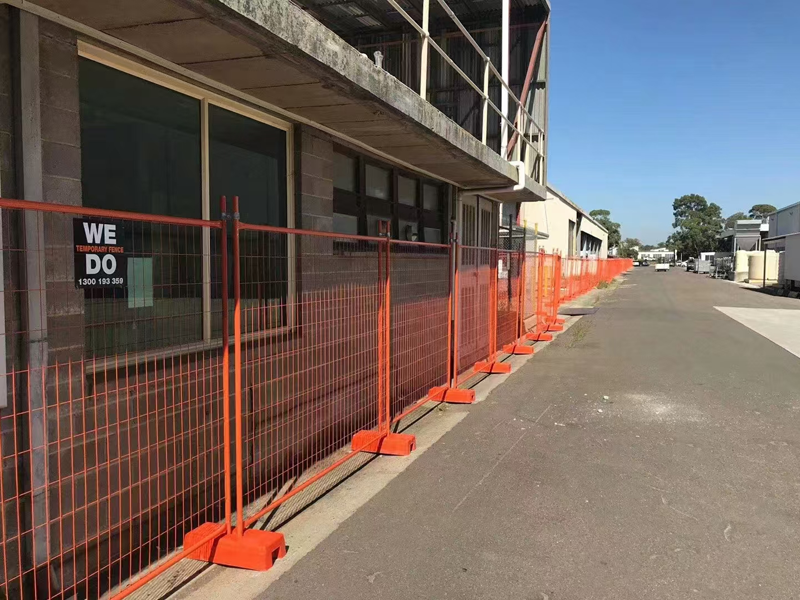 TEMPORARY FENCE ADVANTAGE
Temporary fences (also known as movable barriers or mobile isolation barriers) have numerous advantages, making them an ideal solution for a variety of applications such as road traffic management, construction site isolation, and event protection. Here are the key benefits:
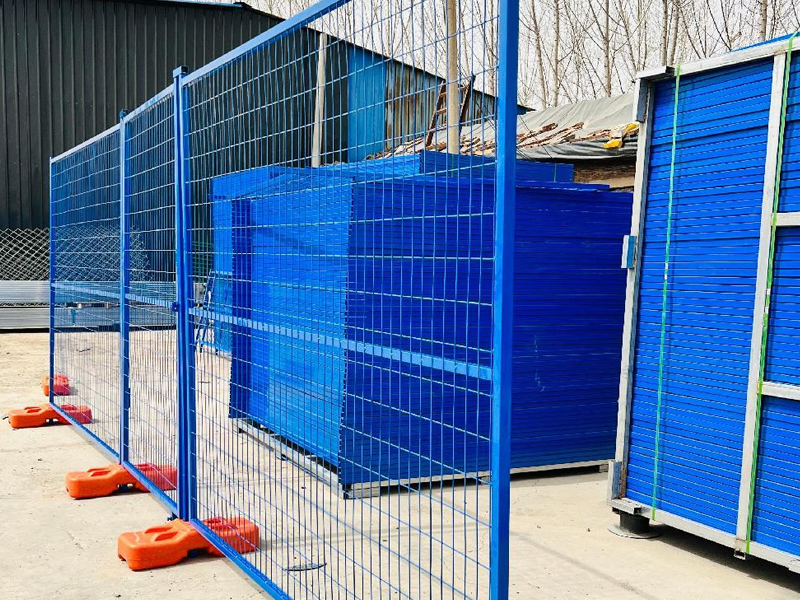 THE NOTICE WHEN USING TEMPORARY FENCE
When using temporary fences (or movable barriers), certain precautions must be followed to ensure their effectiveness, safety, and long-term use. Here are key guidelines to keep in mind:
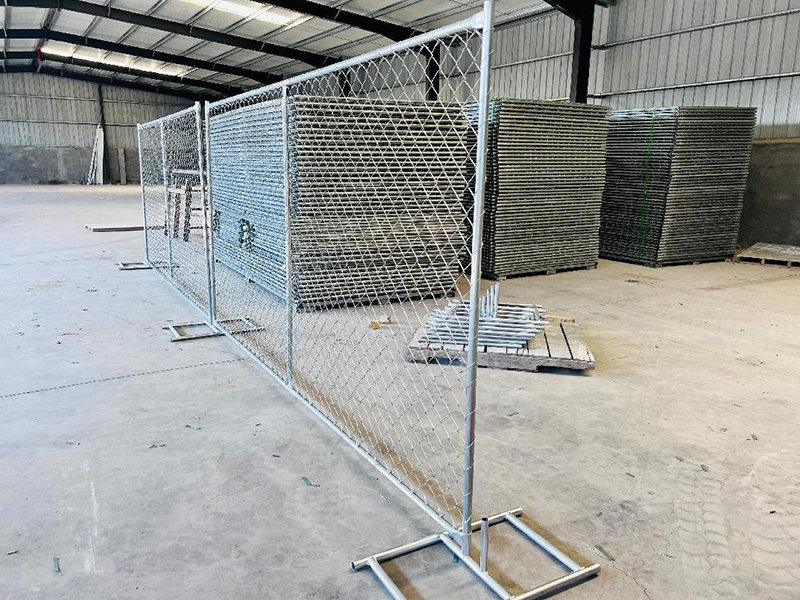 HOW TO PRODUCE TEMPORARY FENCE
Producing a temporary fence involves several steps, from material selection to assembly. Here’s a basic outline of the production process: